Lede: On November 5, word came that the incumbent was leaving; on November 6 — one single day later — the successor's name was already public, start date and all: November 16. Fashion houses change creative directors all the time; what is rare is skipping even the polite fiction of "a search is under way". Out went Piccioli, a man fluent in the language of haute couture. In came Martine Rose, who grew out of London street culture. A personnel change, that's all — what has it got to do with us? This: over the next few years, when we walk into any shop, some of what our eyes meet first — the cuts, the proportions, the way things are put together — starts changing from these two days onward.
01First, the plain facts: what does a creative director actually do?
Many people assume a creative director is simply the person who draws and designs the clothes. That's only a small part of it. A fashion house's creative director is more like the director of a film. The silhouette, colours and fabrics of the clothes are theirs to decide; so are how the show is staged, how the lighting falls, who gets invited; so is whether a campaign is shot cold or romantic, and whether the models walk with heads high or shoulders slouched. The design team is not small, but everyone's drawings pass across this one desk first and converge inside the direction drawn there.
That is why changing the creative director means changing the brand's eyes. The same shopfront, the same sales staff, the same fabric suppliers — change the pair of eyes, and within two or three years what comes out can look entirely different. It's also why a change of director at a fashion brand is always headline news: before the people who buy its clothes have noticed anything, the brand's aesthetic operating system has already been quietly reinstalled.
02Sixteen months, and the very next day
Piccioli took over at Balenciaga in 2025. Before that he spent many years at Valentino, his strength an elegant, romantic high-fashion language — clean colours, restrained lines. His tenure at Balenciaga lasted about sixteen months. Sixteen months, by the timescale of a fashion house, is short: at most it lets a director produce two or three complete collections. His own language had not yet had time to become the brand's habit before he was gone.
No gap, no interim director, no transitional language — the tightness of that handover is itself information: the successor had long been settled, everything proceeded by the timetable, and what the brand wanted was a change of direction. Only one question remained: direction towards what? The answer is hidden in the successor herself.
03Why Martine Rose, of all people?
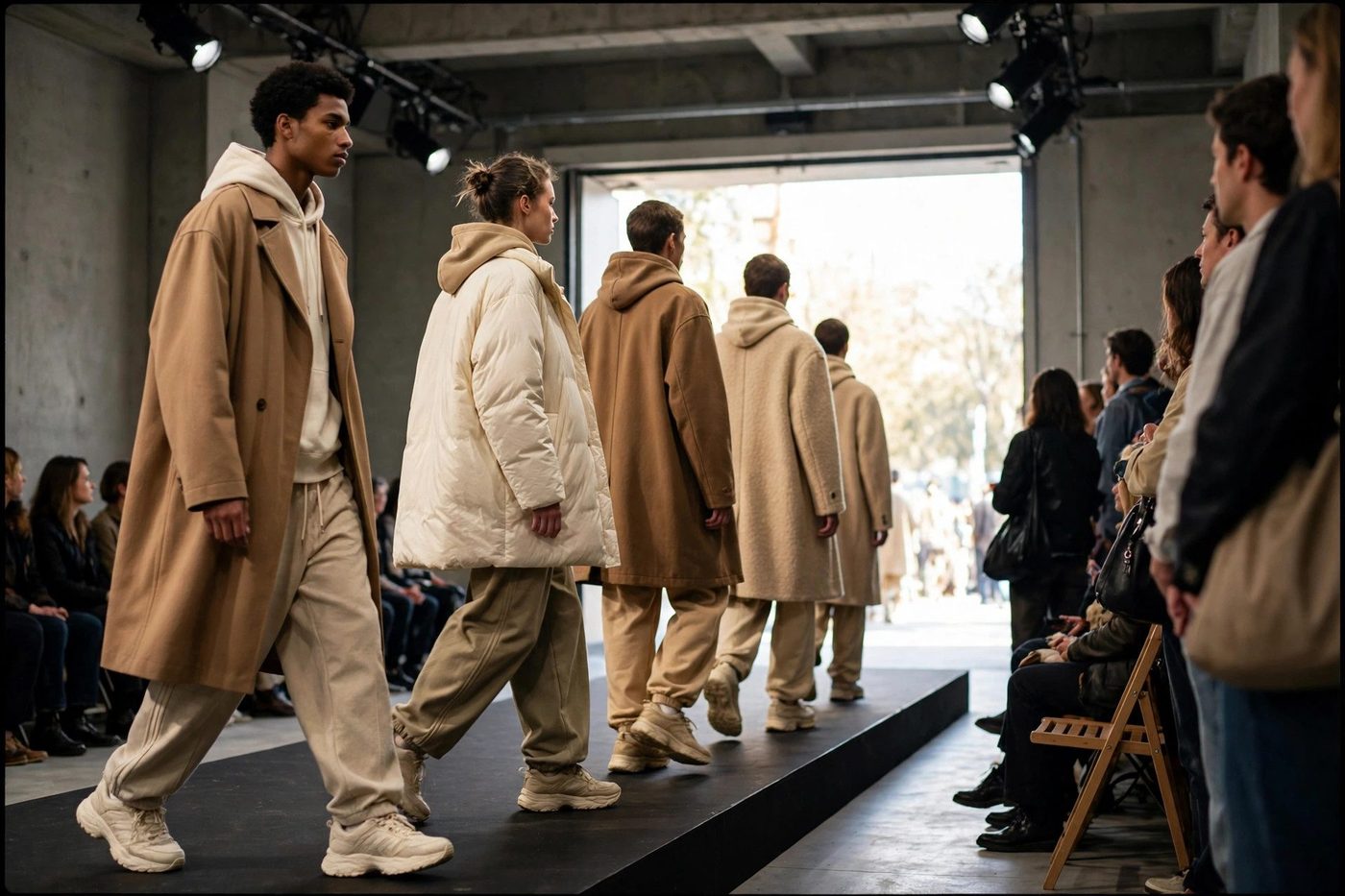
Martine Rose is a British designer with a label of her own, her roots sunk deep in London street culture. The things she has worked with for years are these: loose tracksuit bottoms, jersey elements, oversized coats — clothes that look as if they walked into the show straight from nightclubs, football terraces and late-night streets. Put that background in front of a century-old house like Balenciaga, and many people's first reaction is "mismatch": a person who does street, put in charge of a house that does high fashion?
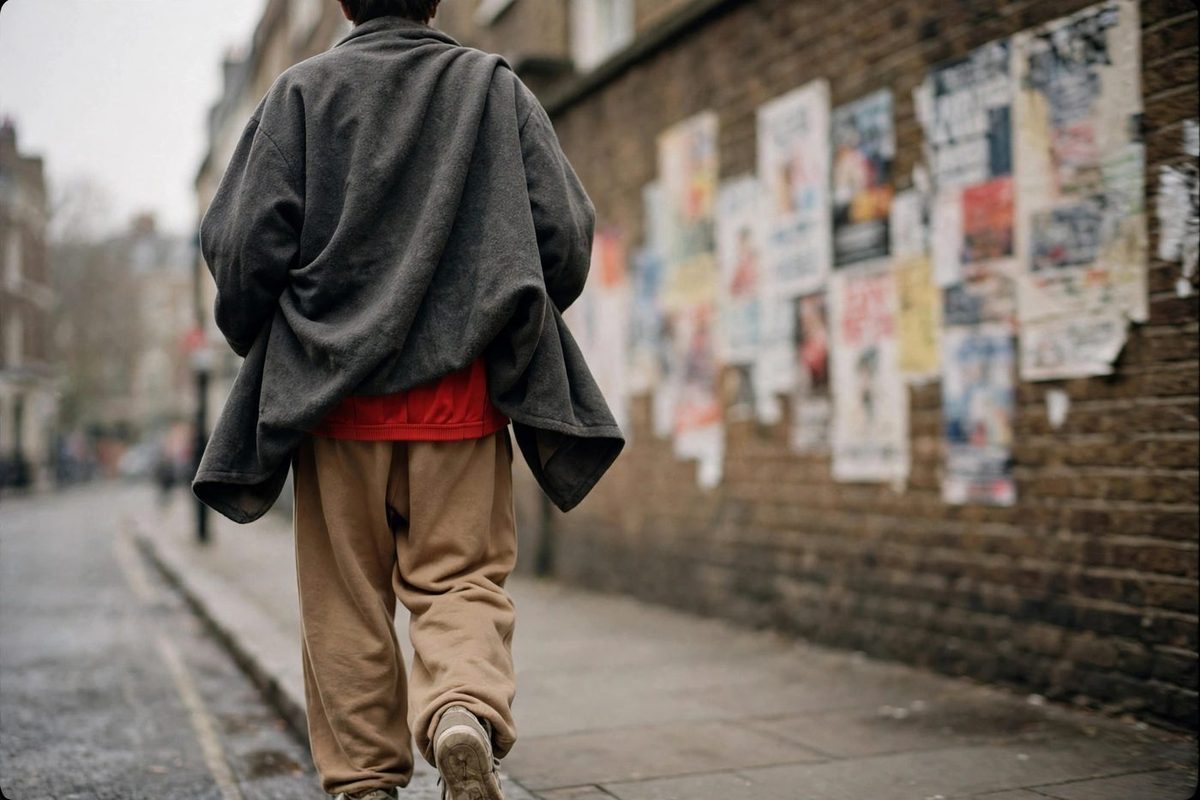
Place that background back inside the brand's own history, though, and the appointment makes perfect sense. Balenciaga's public image over the past decade or so has been inseparable from the street anyway. It made the chunky sneaker famous; it pushed the loose hoodie and the big-shouldered coat into trends; countless people know the brand first through exactly those things. Which is to say, the brand's most influential side has been growing on the street all these years. The previous approach was to hire designers from high fashion and ask them to imitate the street in return — imitate it ever so well, and a gap remains. The difference between an imitator and someone who lived it shows up very concretely in the clothes: the first kind easily makes tracksuit bottoms expensive; the second knows where, exactly, the looseness of a tracksuit bottom should sit, and how far it should go to taste right. That is a calibration worn out of actually living in them. You can't look it up.
In hiring Martine Rose, the brand is in effect admitting exactly this. Rather than have outsiders go on imitating, hand the bloodline directly to someone who grew out of street culture. These past two years, when a good many major brands have picked directors, what they value has increasingly been the same thing: not only which big company you have worked for, but which kind of life you come from.
Rather than have outsiders go on imitating, hand the bloodline directly to someone who grew out of street culture.
04An appointment takes a few steps to reach our wardrobes
A change of director at a big brand sounds far from everyday life, but the chain that carries it is surprisingly short. The silhouettes and pieces the director sets appear first on the runways of the next few seasons; media and buyers amplify the most striking few and turn them into "this year's trend"; further down, high-street brands and shopping platforms take those cuts apart, simplify them, cut the price, and land them at last in the product listings on each of our phones. From runway to your shopping cart takes no more than two or three seasons in between.
Applied to this case, a few likely directions can be foreseen. The relaxed proportions Martine Rose is good at will keep seeping into everyday clothes: shoulders on coats let out a little wider, trouser legs a little looser. The mixing of sport and suiting will be more taken for granted — jersey elements with suiting fabrics, a tailored jacket with tracksuit bottoms; combinations people used to hesitate over will become the ready-made pairing hanging on the rail. And there is a direction more easily missed: her attitude to everyday staples — taking the most ordinary things and making them with care. This route of loose, mixed, carefully-done everyday dressing will stay in the mainstream, and be executed with more finesse than now.
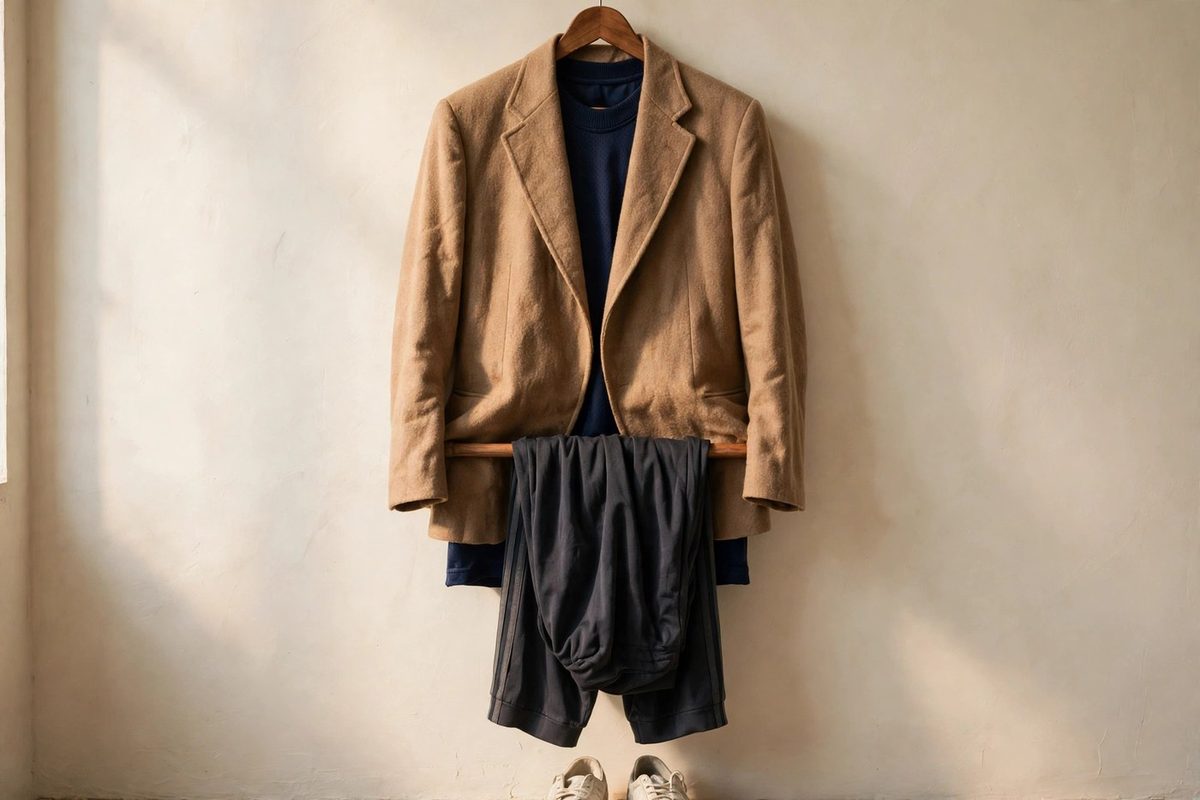
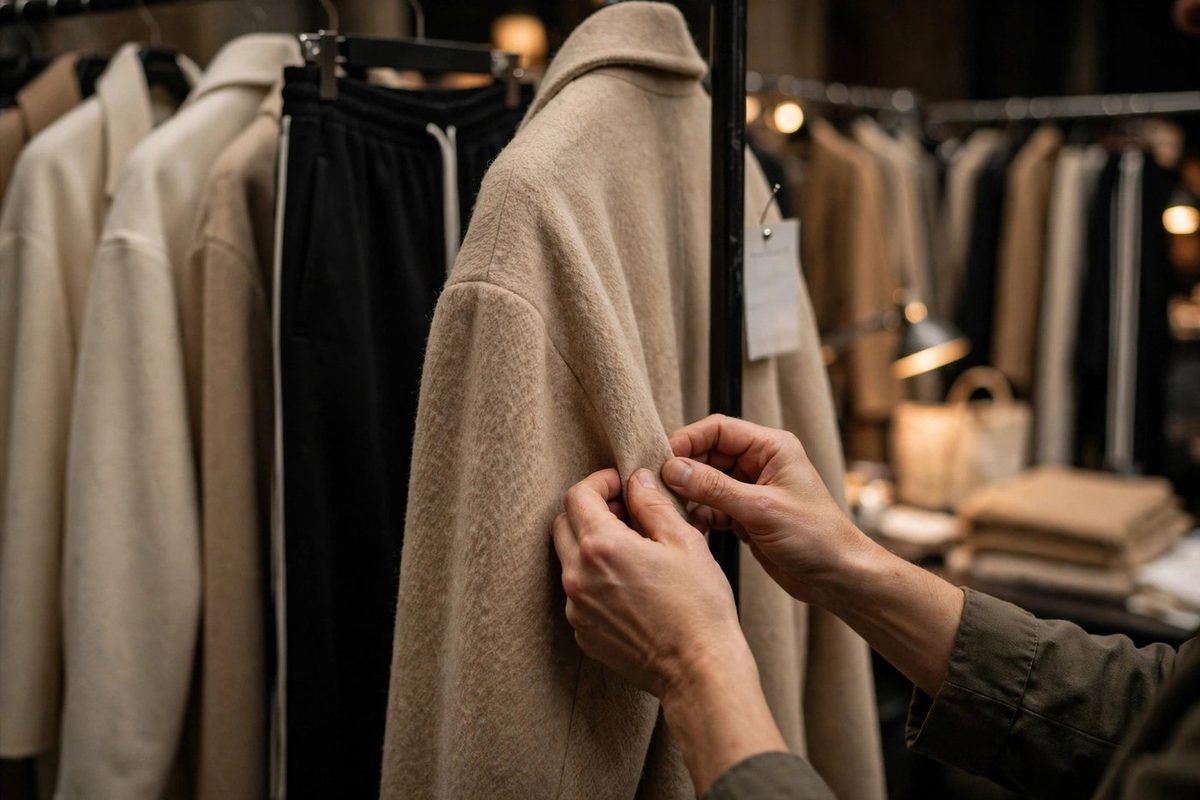
If you want to judge early whether this change of personnel is a real change of direction or a marketing reshuffle, you don't have to wait years. Three places in her first complete collection are enough. One: how much weight everyday staples carry — whether tracksuit bottoms, jerseys and tailored jackets are genuinely treated as the subject, or just shown in a few opening looks as a token. Two: where the workmanship finishes — stitching, pockets, whether the fabric has body. The whole border between street feel and cheap feel lies there. Three: whether the entry-level pieces ordinary people can actually afford change along with it. If the wind only stops at the runway, it hasn't blown into the wardrobe yet. If those three line up, the turn has landed; if they don't, however hot the headlines, it's only a personnel item.
And the other side must be said in full. Street clothing is a double-edged sword; it can slide either way without surprise. At one end, nothing left but logos and heat — the clothes themselves unremarkable, the price held up entirely by the branding. At the other, cheap imitation: the outline copied roughly, fabric and workmanship collapsed, loose on the body but without structure, sagging into a heap. The real difficulty of street feel was never making clothes look worn or loose. It's looseness that doesn't sag: structure inside the ease. Whether Martine Rose can, under a century-old house's standards of craft, keep street culture's vitality while filtering out its restlessness and cheapness can only be read season by season. Which is exactly why this article is worth coming back to in a while: the answer isn't at the press conference. It's in the clothes of every season to come.
The real difficulty of street feel was never making clothes look worn or loose. It's looseness that doesn't sag: structure inside the ease.
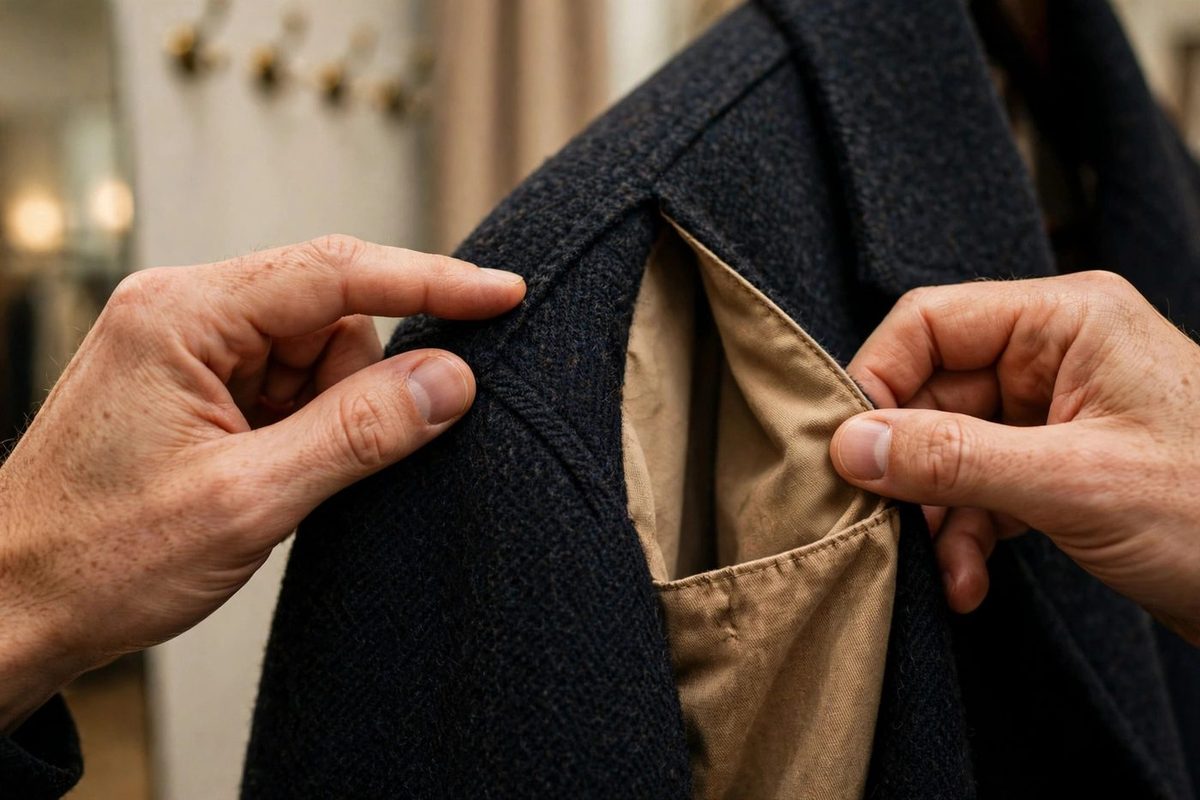
For the ordinary wearer, there is a very practical reminder here. Next time you try a coat on in a shop, rather than first asking which product line it belongs to and what pedigree it has, look at three plain things: whether the shoulder line collapses or holds, whether the fabric drapes or hangs dead, and whether the pockets and stitching finish cleanly. Whether a garment is good has always come down to proportion, fabric and workmanship being taken seriously. Street or couture origins are, in fact, the least important thing about it. That one rule survives any number of directors.